Technical Regulations for the New Season of the China Cup Released
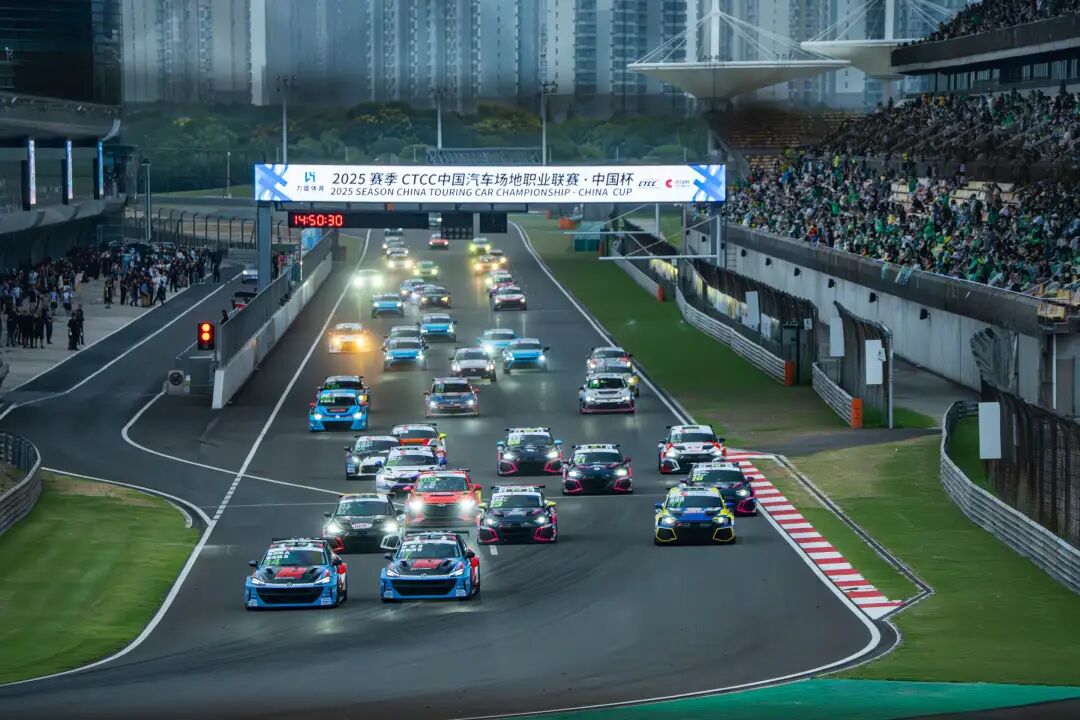
As the clock strikes 2026, the CTCC China Touring Car Championship will embark on a new chapter. Building upon extensive experience gained from past seasons and feedback from participating teams, the CTCC China Cup has systematically reviewed and upgraded its technical regulations for the 2026 season.
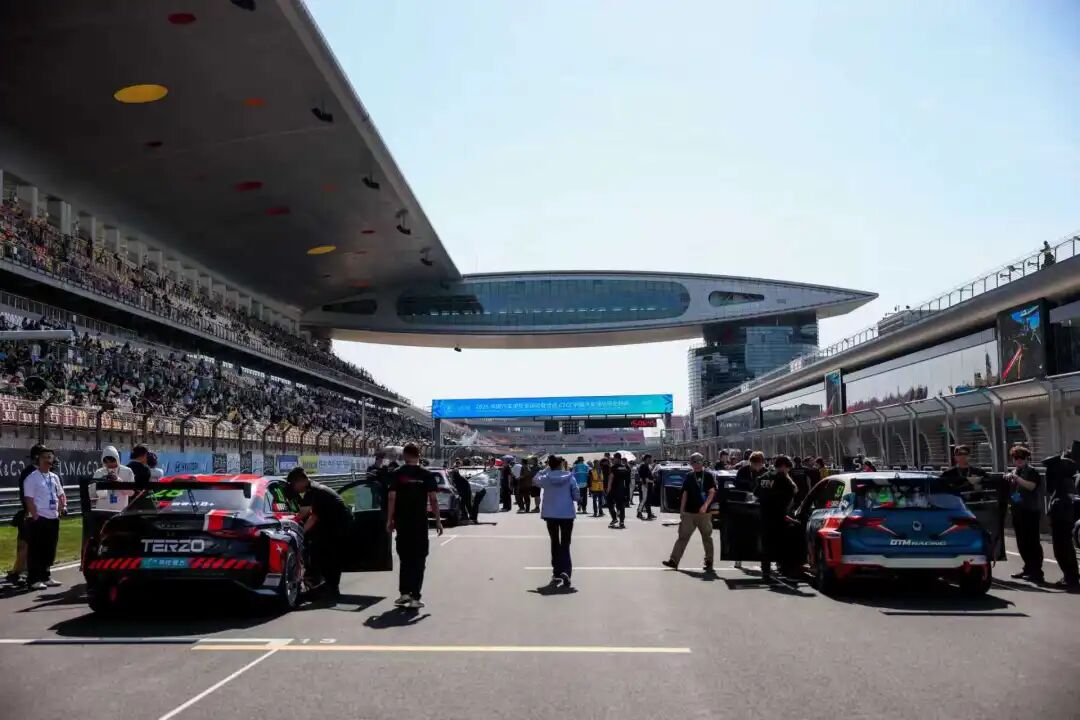
The new regulations maintain the overall framework of previous seasons while making minor adjustments to modification standards. They further optimize participation costs, enhance environmental sustainability and safety, and are dedicated to creating a tiered technical showcase platform for modification manufacturers and clubs. This heralds a more exciting and technically advanced new season.
Developing a more diverse range of self-organized events
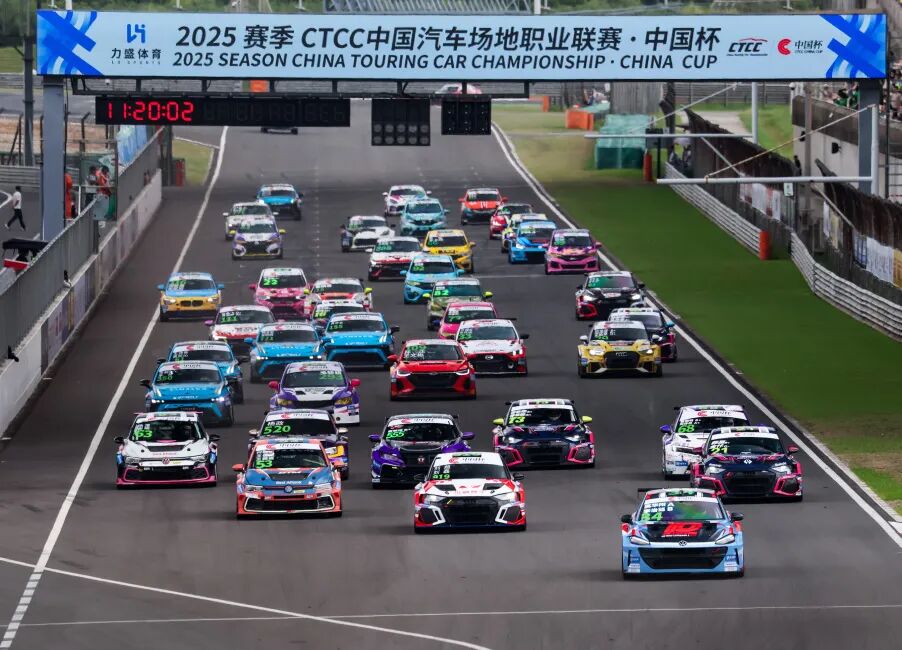
The enduring CTCC China Cup returns in 2025, attracting a diverse field of competitors. As the 2026 season begins anew, the CTCC China Cup has revised its vehicle eligibility criteria, committed to welcoming participants from various levels of competition into its platform.
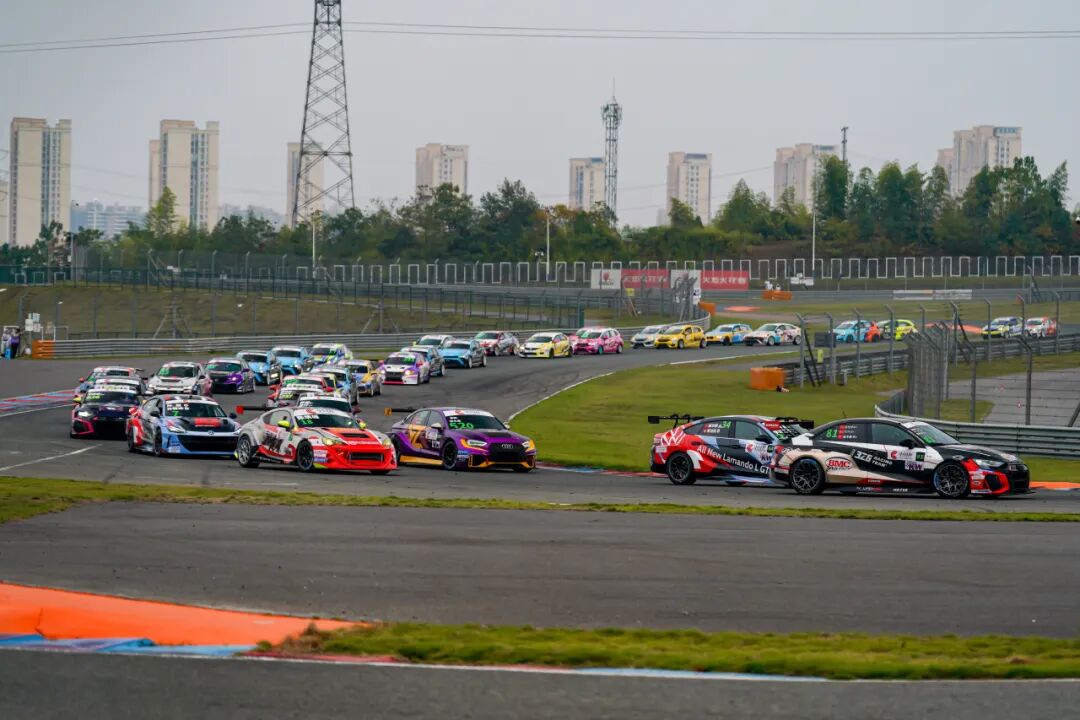
The new regulations stipulate that eligible race vehicles must be “passed the certification of the Ministry of Industry and Information Technology of the People's Republic of China, or be based on existing prototype vehicles from internationally recognized touring car championships. These vehicles must be non-convertible passenger cars with a body length of 3570mm or longer. If the original prototype is a four-wheel-drive vehicle, the modified finished race car must be two-wheel-drive.”
Summary
Compared to previous vehicle definitions, the new competition vehicle requirements demand greater inclusivity while explicitly stipulating that race cars must be two-wheel drive.
Tiered Technology Showcase Platform
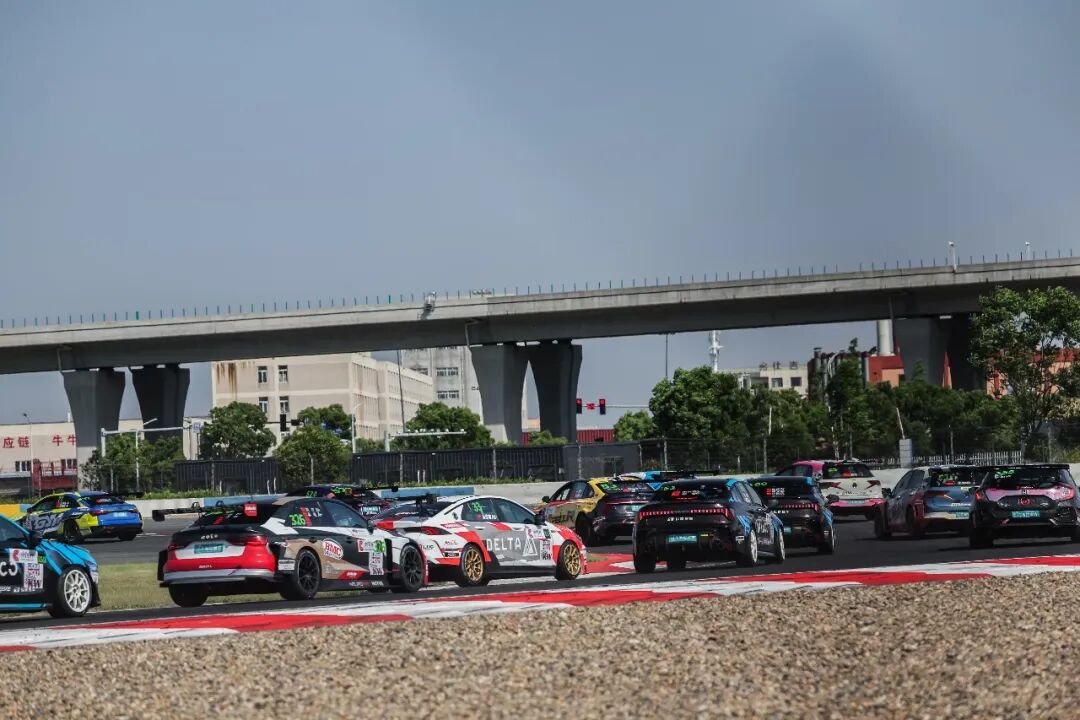
The 2026 season retains the class structure from the previous season, but introduces more precise class positioning and modification restrictions tailored to each category. This allows racing clubs and tuning shops of varying levels to find a competitive stage that aligns with their capabilities, ensuring all participants have the opportunity to showcase their skills.
TCS Class
The positioning of the TCS Class as the highest performance category will be further strengthened this season. New regulations have relaxed certain modification restrictions for the TCS Class, such as permitting the use of factory-installed anti-roll bars or replacement anti-roll bars, and adjusting the modification requirements for front spoilers.
TC1 Class & TC3 Class
Modifications for TC1 and TC3 vehicles have also undergone moderate adjustments. Appropriately relaxing modification standards will help stimulate teams' R&D enthusiasm and drive continuous breakthroughs in China's independent racing capabilities.
Additionally, the TC3 class definition has been revised from “1.6T and below with basic modifications” to “1.6T and below, featuring turbocharged basic modifications and naturally aspirated moderate modifications.” Overall requirements for engine and transmission modifications now differentiate between turbocharged and naturally aspirated vehicles.
Summary
This approach balances the performance gap between turbocharged and naturally aspirated vehicles within each class, paving the way for more intense on-track competition.
More balanced racing performance, more spectacular competition
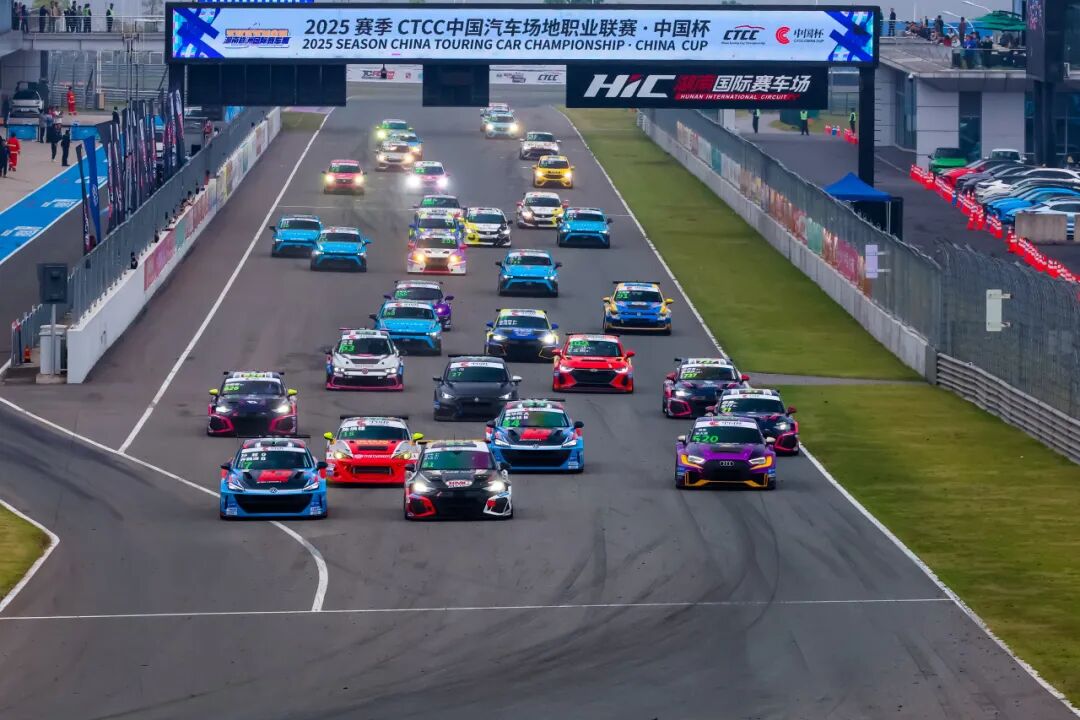
The CTCC China Cup features a diverse range of competing vehicles and a large field of participants, making the implementation of a scientifically sound Balance of Performance (BOP) system particularly crucial. For the 2026 season, the CTCC China Cup has introduced several rule changes to support BOP, including the introduction of minimum ground clearance requirements, explicit mandates for designated ballast mounting locations and the preparation of ballast weights, and the implementation of new minimum race weight regulations.
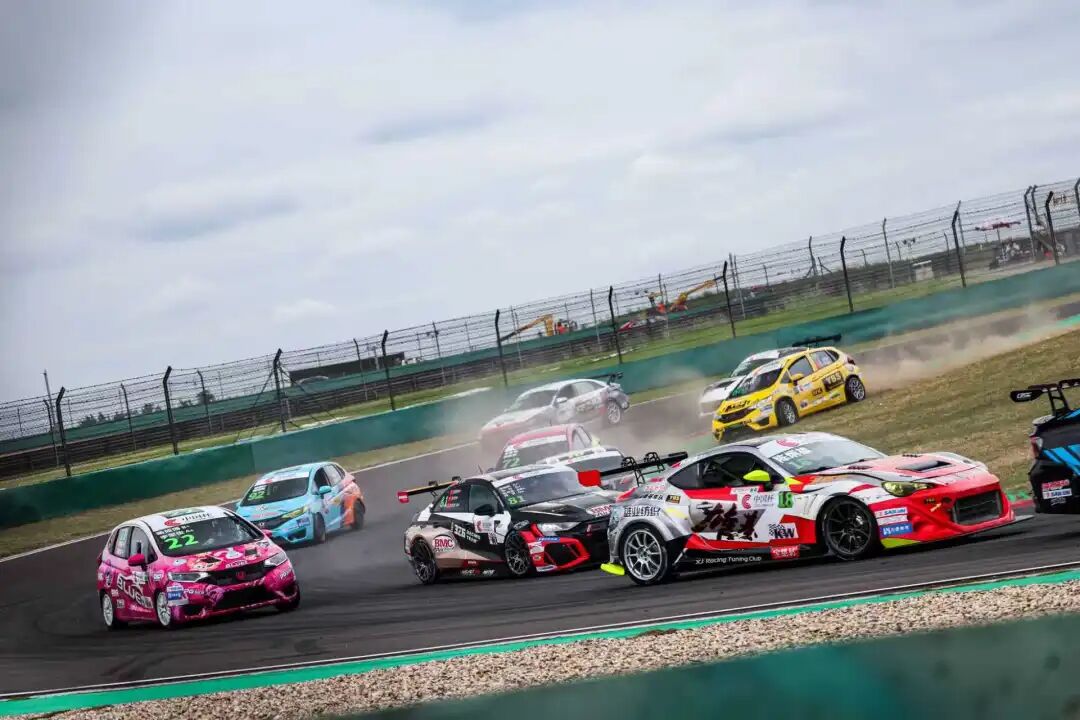
TCS Class
Under the new minimum race weight regulations, front-wheel-drive vehicles in the TCS class must not weigh less than 1250kg, while rear-wheel-drive vehicles must not weigh less than 1280kg.
TC1 Class
For TC1 Class front-wheel drive vehicles with displacement over 1.5T, the minimum race weight shall not be less than 1250kg; for rear-wheel drive vehicles, it shall not be less than 1280kg. For front-wheel drive vehicles with displacement 1.5T or below, the minimum race weight shall not be less than 1150kg; for rear-wheel drive vehicles, it shall not be less than 1180kg.
TC2 Class
For TC2 Class front-wheel drive vehicles, the minimum race weight shall not be less than the prototype curb weight minus 100kg. For rear-wheel drive vehicles, the minimum race weight shall not be less than the prototype curb weight minus 70kg.
TC3 Class
For TC3 Class vehicles, the minimum race weight shall not be less than the prototype curb weight minus 100kg.
Summary
The new regulations introduce tiered minimum race weight requirements within each class to balance performance differences arising from varying engines and drive configurations. Additional weight penalties apply to vehicles entering on a provisional basis. This streamlined approach aims to harmonize performance within each class, fostering more competitive racing and enhancing spectator appeal.
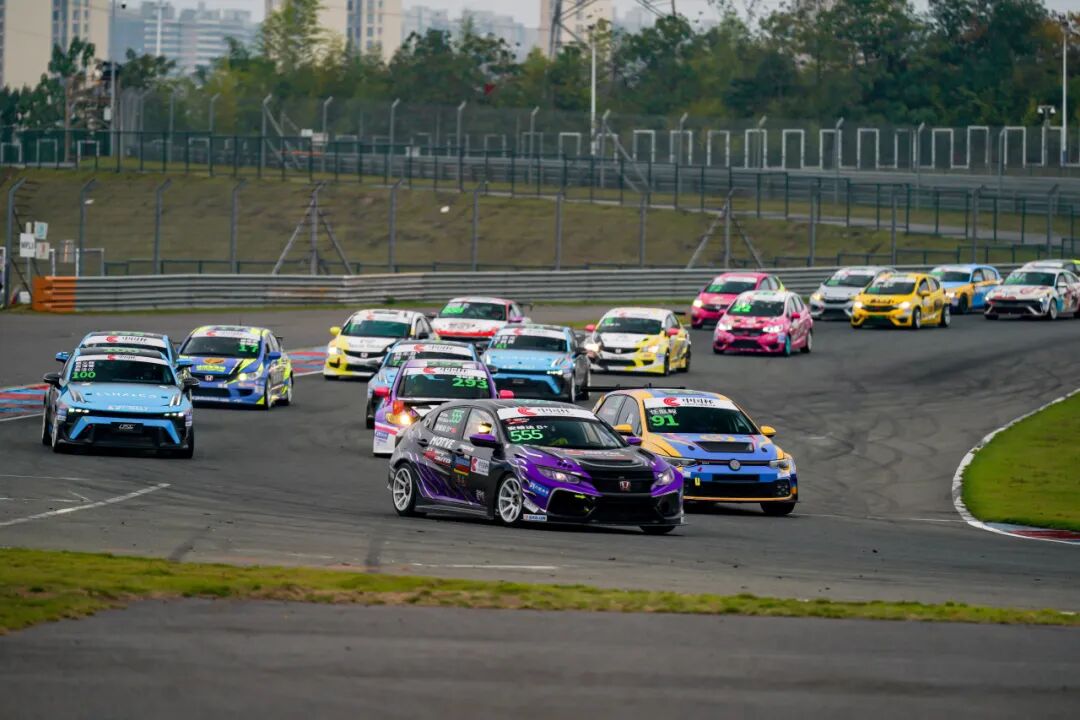
More accessible entry fees, more level playing field
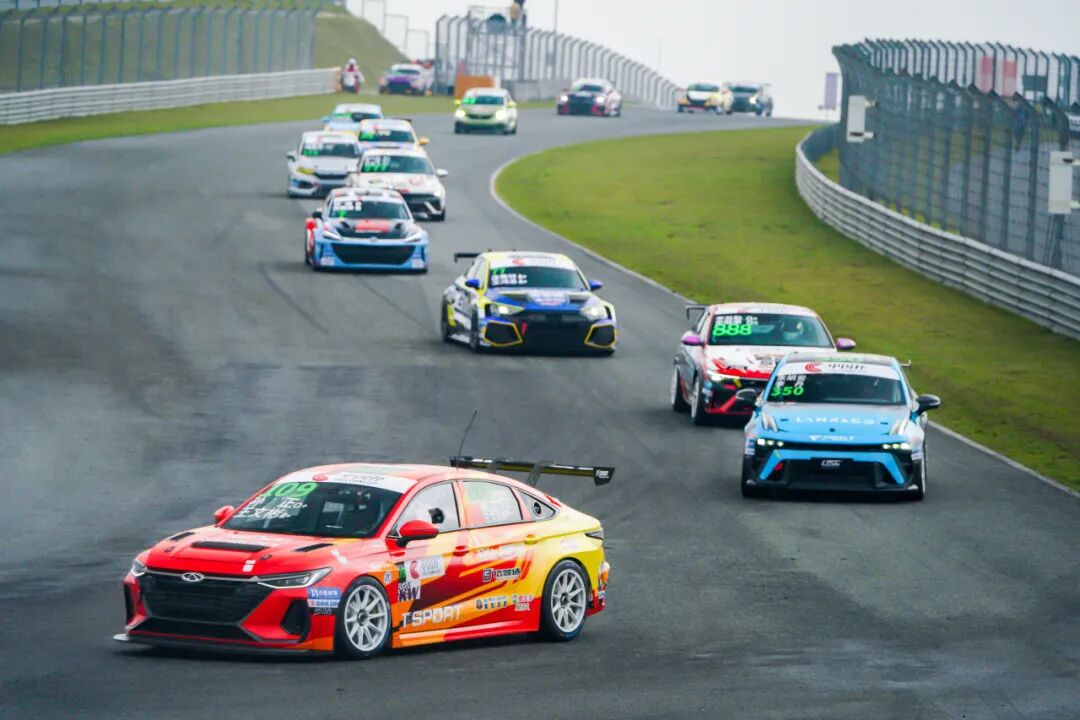
To attract more outstanding competitors and further enhance participation, the 2026 season technical regulations include several measures to reduce entry costs, such as:
- For race cars registered in the 2025 season, exterior bodywork modifications recognized by the Registration Working Group as registered modifications that do not affect performance (e.g., certain body trim pieces) may continue to be used;
- Interior components of vehicles registered in the 2025 season that have been approved by the Registration Working Group as registered modifications not affecting performance (e.g., instrument panels) may continue to be used;
- Certain technical requirements have been removed to reduce additional cost expenditures.
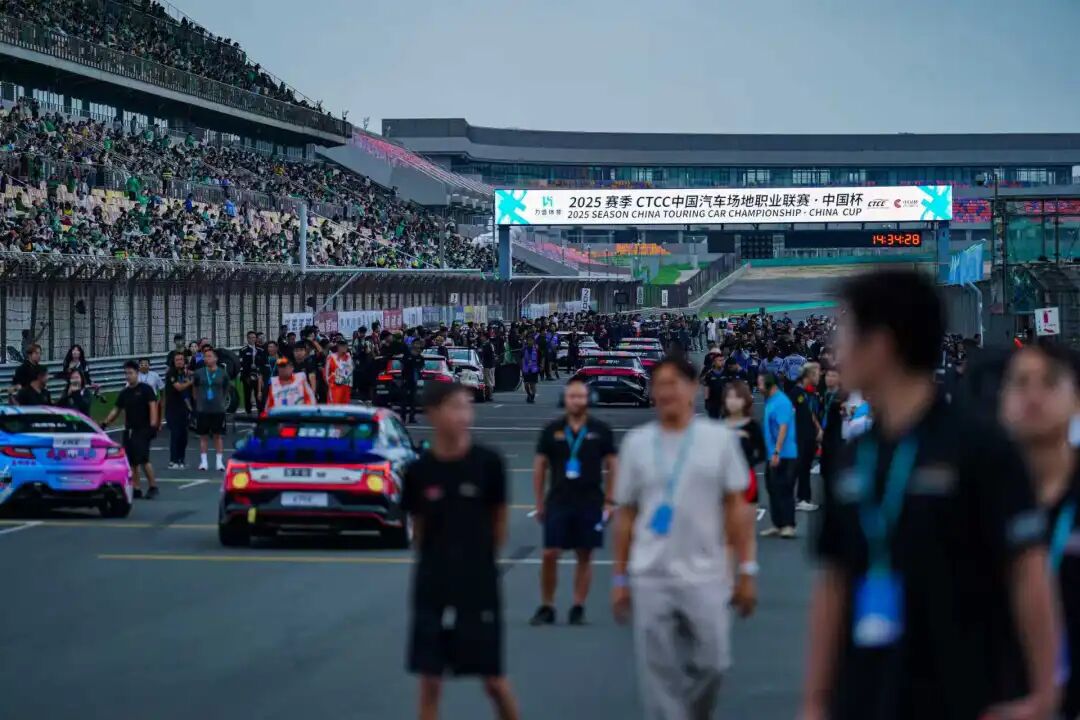
Additionally, the new regulations stipulate that the TCS class may only undergo a maximum of two registered modifications per year, with associated costs borne by the entrant. This measure limits expenditure, establishes a sustainable foundation for the highest performance category, and positions the TCS class as a platform for pure technical competition.
Summary
Cost budget controls across different categories in the CTCC have opened pathways for clubs and race cars of various types aiming to enter national-level competitions, enabling fair competition among vehicles of the same class and budget.
A Stage for Sustainable Development in Safety and Environmental Protection
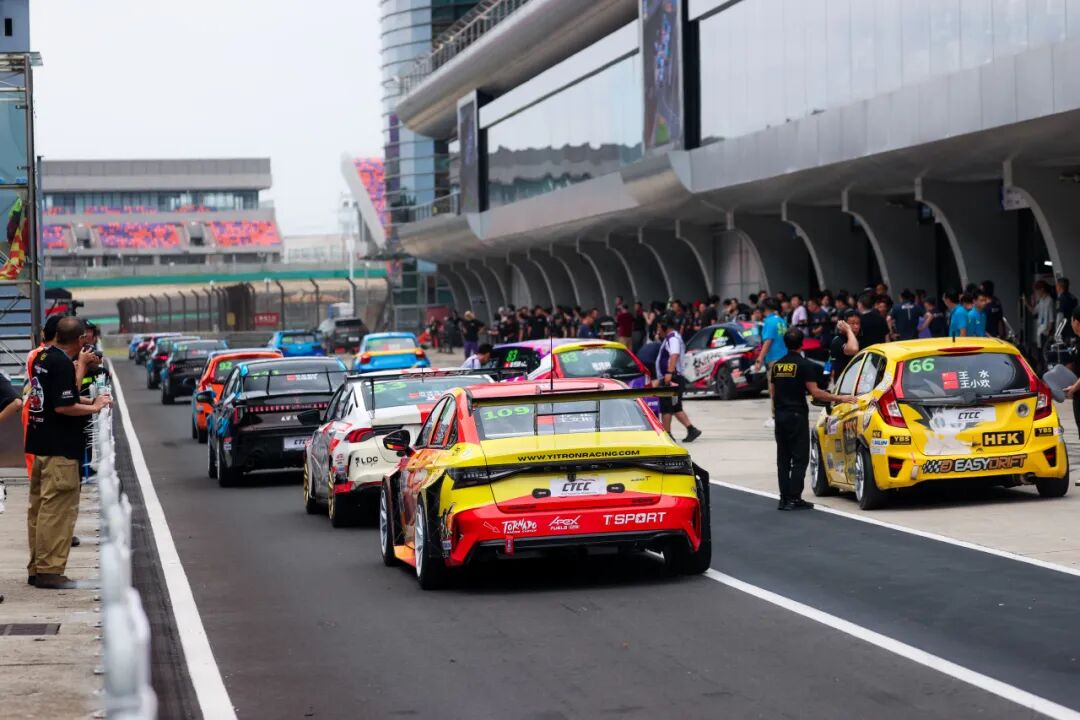
Safety and environmental protection represent the prevailing trends in today's automotive industry. The enduring CTCC China Cup will continue its mission to advance sustainable motorsports development in China during the new season. Aligning with FIA regulations, the 2026 season will require all competing vehicles to implement noise control measures, ensuring engine noise does not exceed 110 decibels at 6000 rpm.
The CTCC China Cup has established a static noise testing procedure, and technical representatives retain the authority to conduct random exhaust noise inspections on any vehicle at any point during the race.
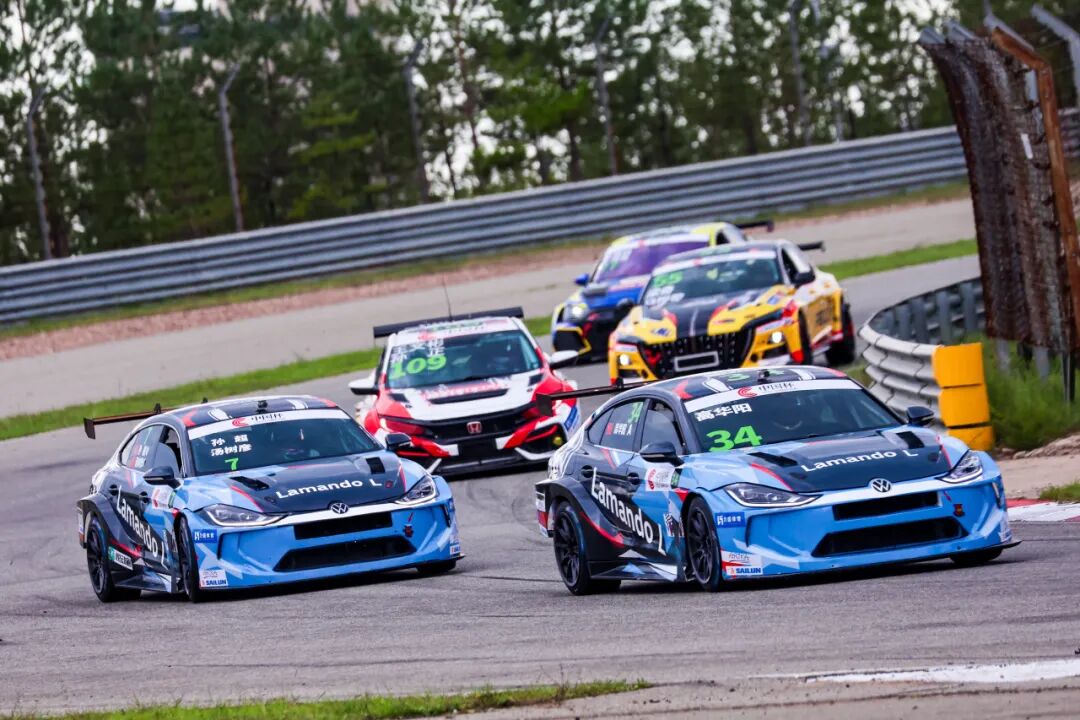
Additionally, the new regulations implement more comprehensive provisions regarding racing safety, imposing more detailed requirements on components such as fire extinguishers and fuel tanks to further safeguard the security of the event.
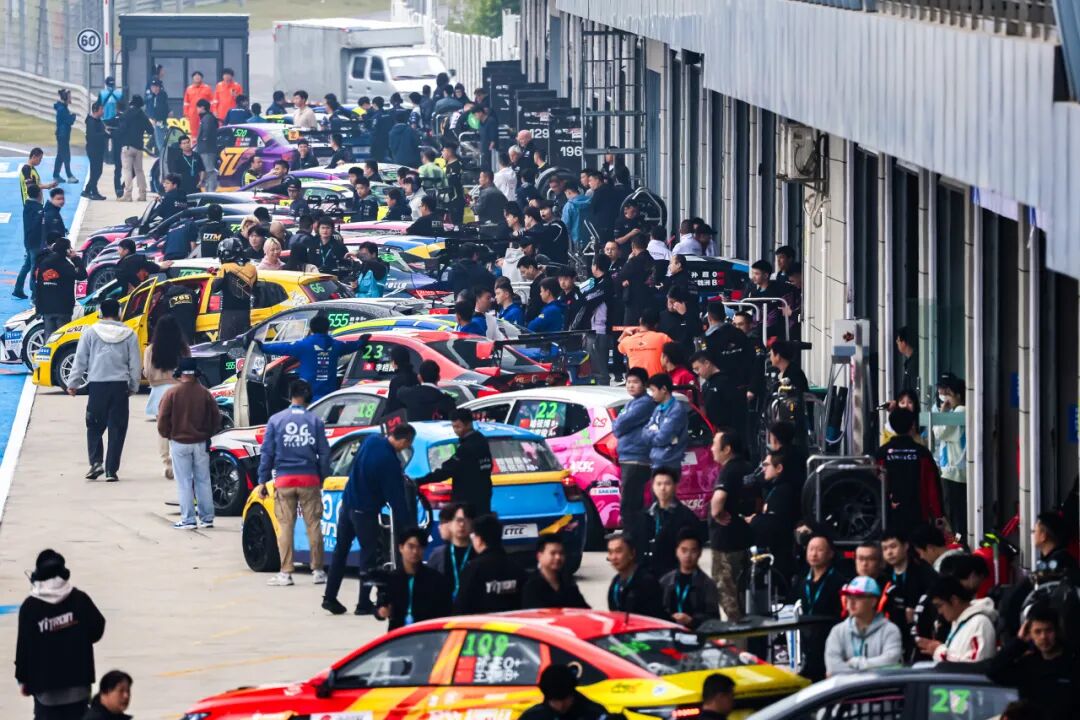
In addition to the aforementioned rule modifications, the 2026 CTCC China Cup season has also adjusted regulations concerning vehicle modification specifications, dynamic grouping methods, vehicle registration, and other aspects. For detailed information, please download and review the “2026 CTCC China Cup Technical Regulations” available on the CTCC official website under the Race Center section. Alternatively, you may [click the original text link at the end of this article to jump directly to the document].
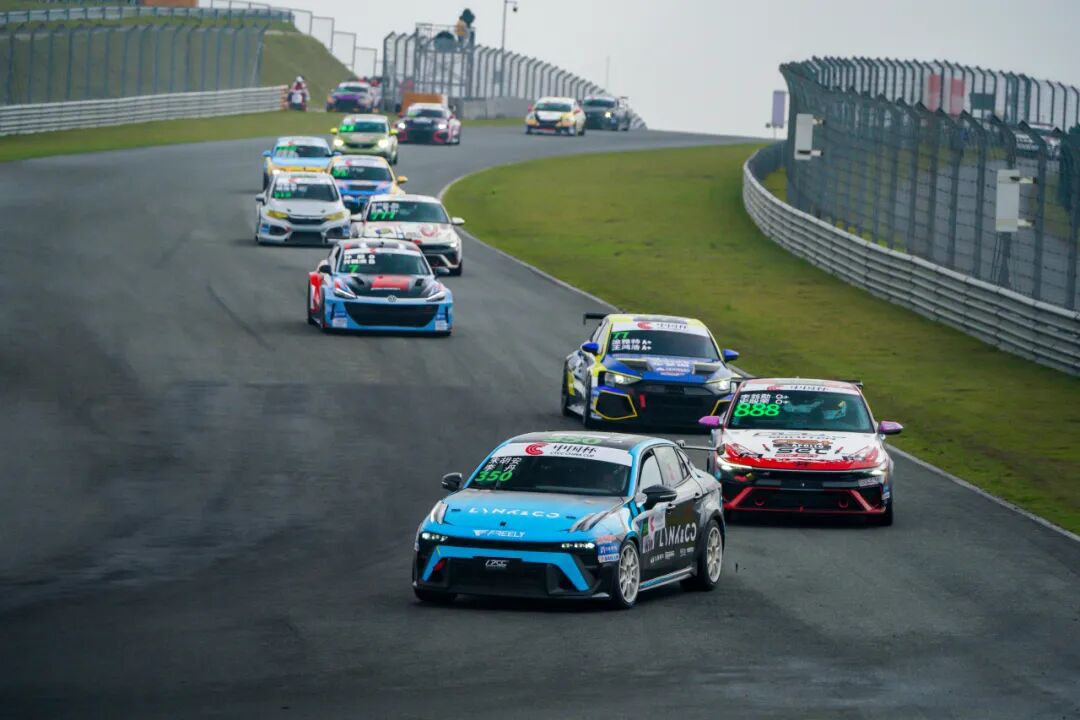
The 2026 CTCC China Cup season introduces a series of rule revisions that collectively form a comprehensive strategy to steer the series toward healthy and sustainable development. From clarifying class positioning and standardizing while diversifying participating vehicle models and powertrains, to refining the BOP system and implementing cost-effective measures for competitors, the new regulations consistently embody the core principles of “greater scientific rigor, enhanced completeness, and increased diversity.”
Summary
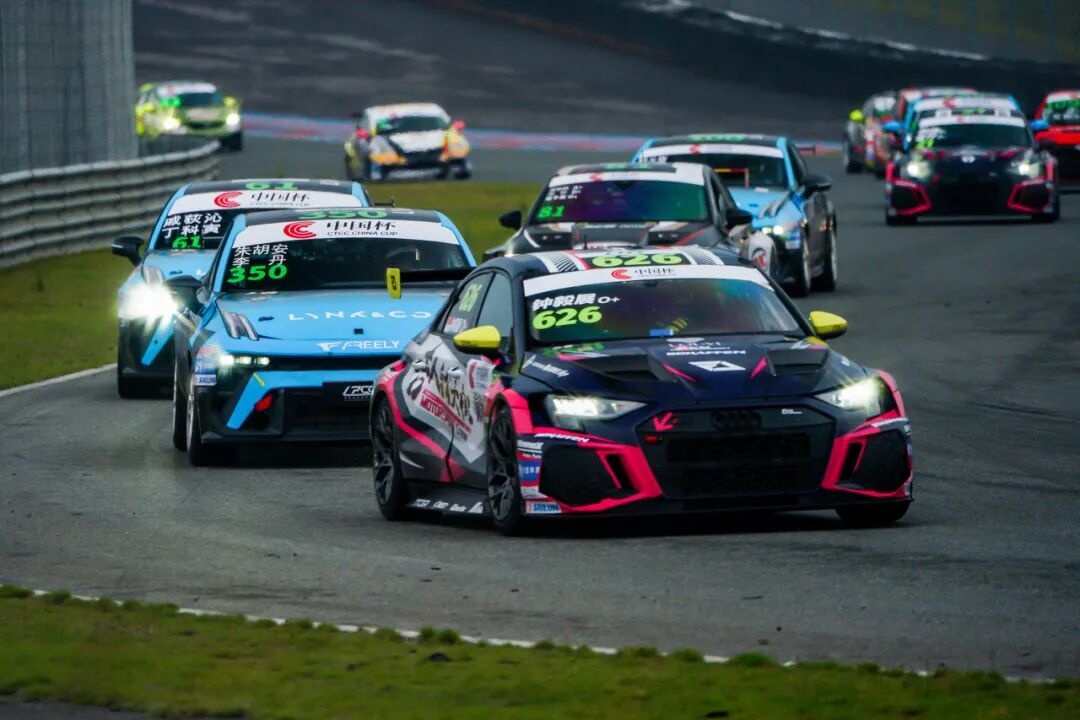
This more mature, rigorous, and forward-looking regulatory framework will establish a fairer and more sustainable platform for competition and innovation for Chinese automakers, club teams, and aftermarket brands. It will tailor precisely tailored competitive arenas for participants across different tiers of motorsports, dedicated to advancing the coordinated progress of China's domestic racing R&D capabilities and industrial ecosystem.
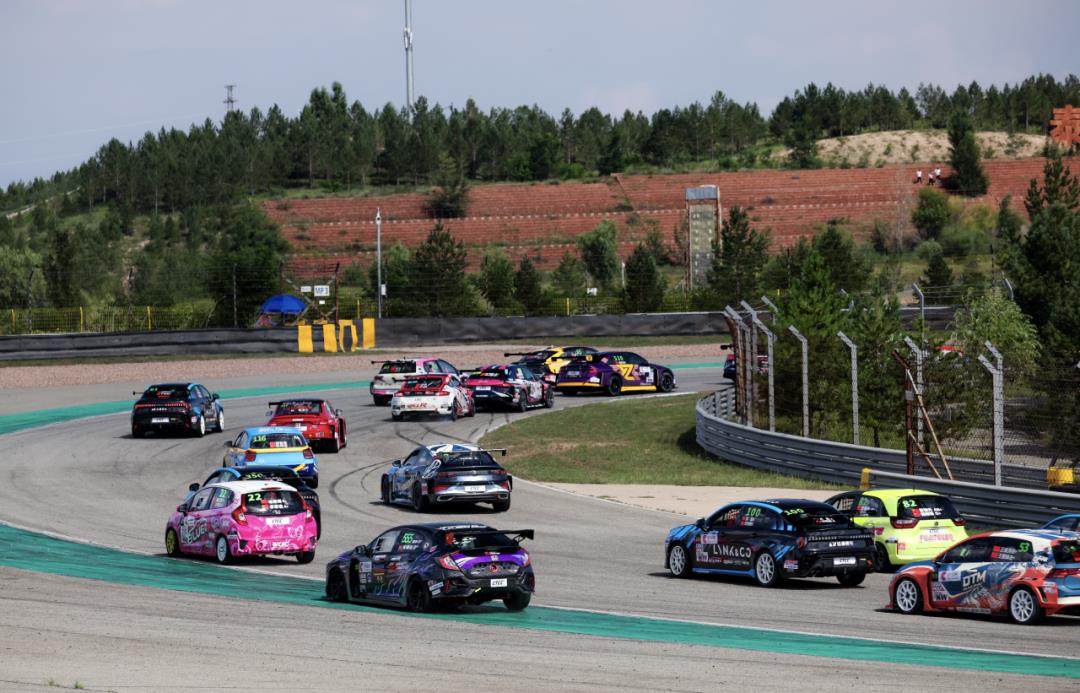
Guided by the new regulations for the 2026 season, the CTCC China Cup is poised to deliver more intense, purer, and more diverse on-track competition. With excitement building, let us look forward to the fresh start of the 2026 CTCC China Cup season!